
How to Navigate Postpartum Without Your Mother (2026 Guide)
Navigating postpartum without a mother involves acknowledging the grief of loss or estrangement, building a chosen support network, and seeking professional therapy to process "mother hunger." By validating your emotions and establishing boundaries or new traditions, you can foster a healthy bond with your child while healing yourself.
Why is it so hard to be a mother without your own mother?
The transition into motherhood, often called matrescence, is a profound developmental shift. It is a time when most women instinctively reach backward to their own mothers for guidance, validation, and emotional safety. When that connection is missing, whether through death, illness, or a fractured relationship, the void can feel cavernous. You are not just learning how to care for a newborn; you are doing so while navigating the "mother gap."
For many, the physical absence of a mother during pregnancy and the fourth trimester triggers a secondary wave of grief. You might find yourself wishing you could ask her about her own labor experience or wondering if your baby’s temperament matches yours as a child. Without her there to mirror your experience, the isolation can feel heavy. This lack of a maternal safety net often increases the risk of postpartum anxiety and depression, as the emotional labor of parenting is performed without the person who was supposed to be your primary anchor.
How does maternal loss impact the postpartum experience?
Maternal loss, whether recent or long-past, reshapes the way a woman views her own role as a parent. When you are a motherless daughter, every milestone your child hits is a reminder of what you no longer have. The joy of a first smile is often tinged with the sadness that your mother isn't there to see it. This duality of emotion is perfectly normal, yet it is rarely discussed in traditional parenting circles.
Specific impacts of maternal loss include:
- Hyper-vigilance: A feeling that you must be "perfect" because you don't have a backup or a guide.
- Identity Confusion: Struggling to define what a "good mother" looks like without a living blueprint.
- Grief Re-activation: The hormonal shifts of postpartum can bring past grief to the surface with new intensity.
- Fear of Loss: An increased anxiety regarding your own health or the health of your child.
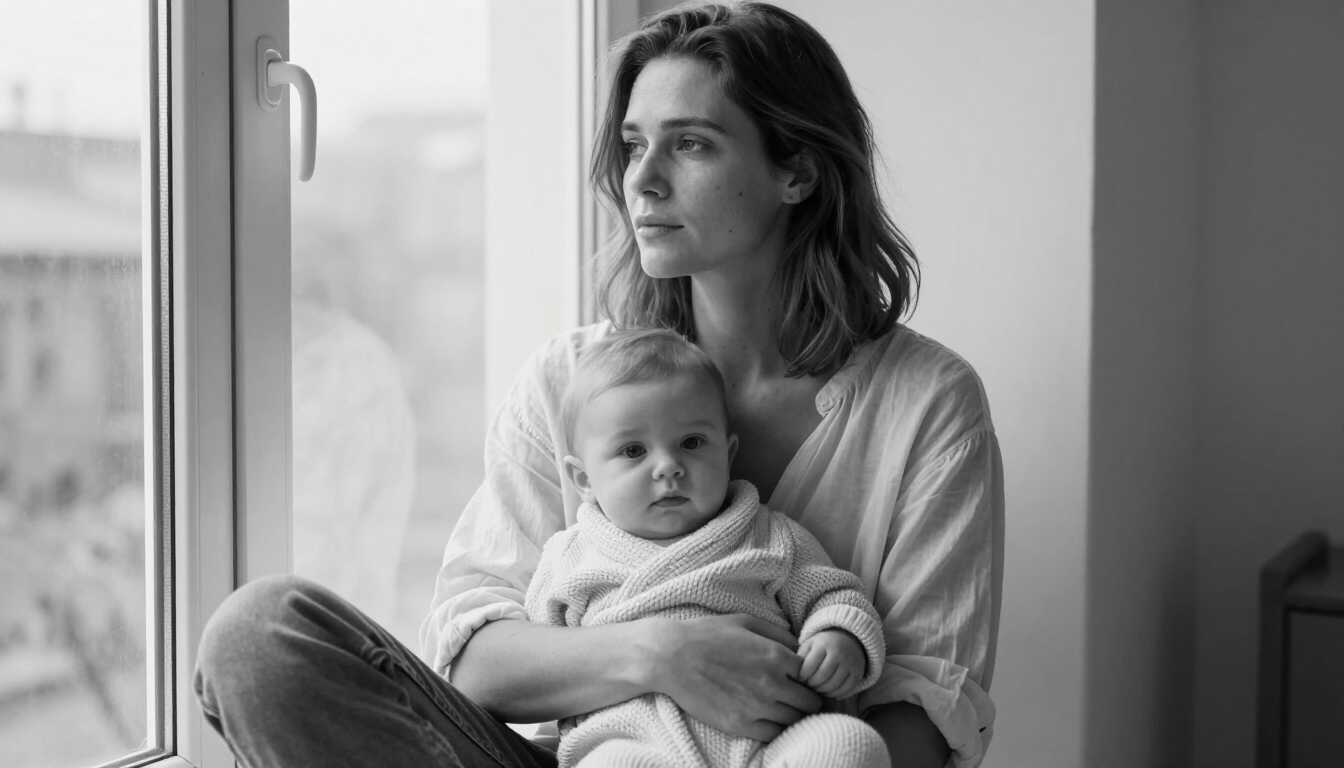
The Complexity of Motherhood and Estrangement
Not every motherless journey involves death. For many women, their mother is alive but absent due to estrangement, toxic dynamics, or emotional neglect. This is a "disenfranchised grief," a pain that society doesn't always recognize because the person is still physically here. Navigating postpartum while maintaining boundaries with a difficult mother, or while mourning the mother you deserved but didn't have, adds layers of guilt and complexity to an already exhausting time.
Choosing to break cycles of generational trauma is brave, but it is also incredibly lonely. When you decide to parent differently than you were parented, you are essentially building a map while walking the path. This is where Services like individual therapy become essential, helping you differentiate your own needs from the shadows of your upbringing.
What are practical ways to cope with "mother hunger"?
"Mother hunger" is the deep, persistent longing for maternal protection and nurturance. In the postpartum period, this hunger can become a physical ache. While no one can replace your biological mother, you can find ways to nourish that part of yourself. Coping requires a mix of self-compassion, external support, and intentional ritual.
Consider these five strategies for managing mother hunger:
- Write Letters: Even if she isn't here to read them, writing to your mother about your baby can help process unspoken thoughts.
- Identify Your "Aunties": Look to older women in your life who embody the nurturing qualities you crave.
- Create New Traditions: Establish rituals that are entirely your own, free from the weight of the past.
- Practice Reparenting: Speak to yourself with the kindness and patience you wish a mother would offer you.
- Set Digital Boundaries: If estrangement is the issue, limit social media exposure to avoid triggers during vulnerable late-night feedings.
Building Your Village Through Chosen Family
We’ve all heard that it takes a village to raise a child, but for those without a mother, that village must be built by hand. Your village might consist of friends who have gone before you, a supportive partner, or professional help. It is important to be vocal about your needs. People often assume that if you aren't talking about your mother, you are "over it," but the truth is that you may need more checking-in than others.
At Guided Hearts Therapy, we understand that building this village often starts with a safe space to talk. Whether you are seeking support in North Carolina or looking for individual sessions in Virginia , our goal is to help you feel less alone in this transition. You don't have to carry the weight of your family history or the absence of it by yourself.
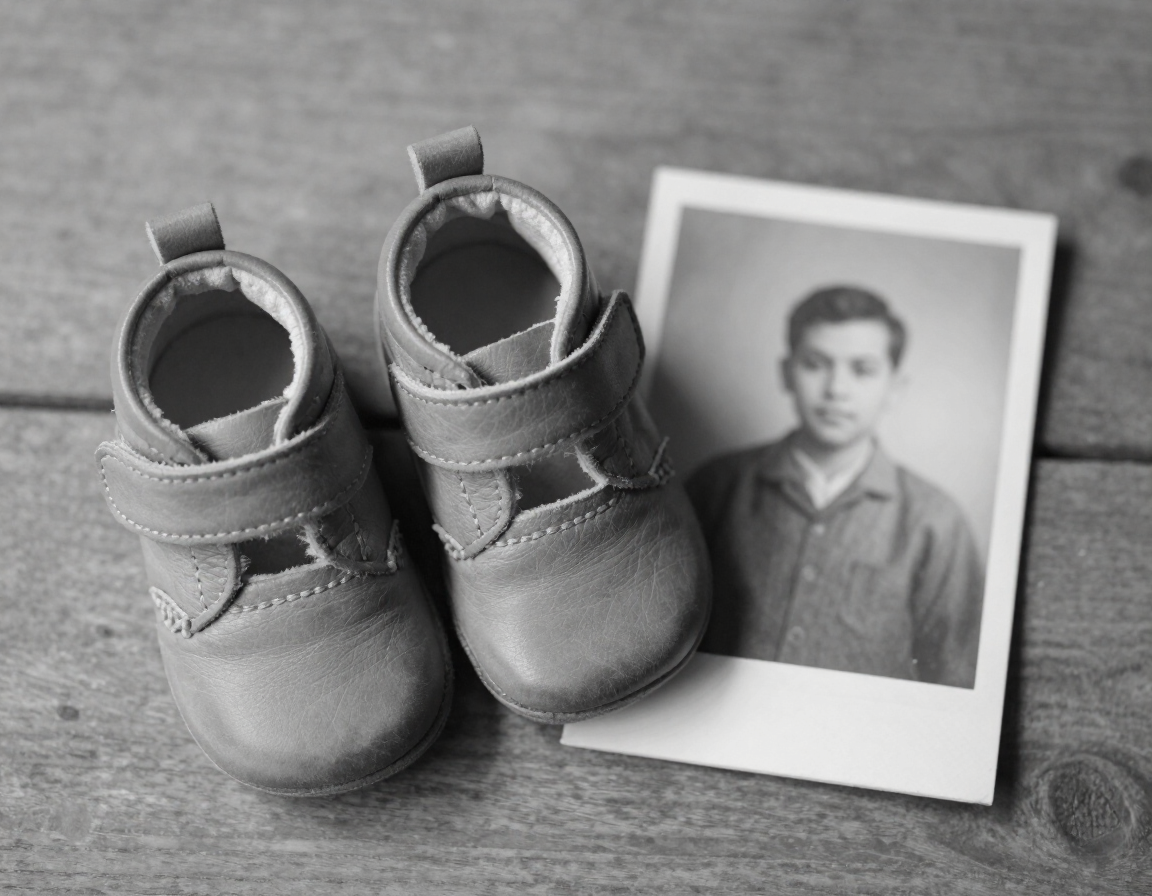
When should you seek professional therapy?
It is common to feel "baby blues," but when the absence of a mother leads to deep-seated feelings of worthlessness, intrusive thoughts, or an inability to bond with your baby, it is time to seek professional intervention. Therapy provides a container for your grief and a place to develop tools for the specific challenges of motherless parenting. It is not just about "fixing" sadness; it is about honoring your story.
You should consider reaching out if:
- Your grief feels like it is interfering with your daily functioning.
- You feel overwhelmed by anger or resentment regarding your mother's absence.
- You are struggling to set boundaries with an estranged mother who is attempting to reappear.
- You feel a sense of "numbness" rather than connection with your newborn.
We specialize in helping couples and individuals navigate these life transitions with grace and clinical expertise.
Strategies for Emotional Resilience
Resilience isn't about being "tough"; it’s about being flexible. For a new mom without her mother, resilience means allowing yourself to cry while you change a diaper. It means admitting that today is hard because you miss her, or today is hard because you’re glad she’s not here and that makes you feel guilty. Acceptance is the first step toward resilience.
- Validate the Ambivalence: It is okay to love your baby and hate the circumstances of your own motherhood. These two truths can exist at the same time.
- Focus on the Present: When the past feels heavy, ground yourself in the physical sensations of the present—the weight of the baby, the smell of their head, the rhythm of your breath.
- Seek Specialized Support: Groups for motherless daughters or postpartum support groups can provide a mirror that you might be missing in your personal life.
Final Takeaways for New Moms
Navigating the journey of motherhood without a mother is a path of both profound sorrow and incredible strength. Whether you are grieving a loss or protecting your peace through estrangement, your experience is valid, and you are not alone. By focusing on your mental health and building a community that supports your specific needs, you can thrive as a parent.
Key Takeaways:
- Acknowledge that "mother hunger" is a real and valid emotional experience.
- Build a village of "chosen family" to provide the support your biological mother cannot.
- Utilize professional therapy to process grief and break generational cycles.
- Practice self-compassion as you navigate the unique challenges of motherless motherhood.
- Set boundaries that protect your mental health and your relationship with your child.
If you are ready to begin this healing work, please Contact us today to schedule a consultation. Whether you are in Huntersville, NC, or Arlington, VA, we are here to support you in becoming the mother you want to be, even in the absence of the one you had.