
5 Ways to Cope When You Don’t Enjoy Being a Mom
If you don’t enjoy being a mom, it does not mean you don’t love your children or that you are a bad parent. Constant responsibility, isolation, behavioral challenges, anxiety, depression, and exhaustion can make motherhood feel unbearable. These feelings are common, valid, and worth discussing with a qualified therapist.
Why don’t I enjoy being a mom?
Motherhood is often described as endlessly rewarding, but that is only part of the story. Parenting can also be repetitive, overstimulating, lonely, and emotionally demanding. You may love your children deeply while disliking parts of the role you are expected to perform every day.
You might be:
- Answering questions, managing behaviors, and meeting needs from morning until night
- Parenting without a reliable partner, family member, or “village” nearby
- Carrying financial pressure, household responsibilities, or work stress
- Managing anxiety, depression, postpartum concerns, grief, or unresolved trauma
- Feeling disconnected from the person you were before becoming a mother
Loving your children and enjoying motherhood are not the same thing. Both can be true: you can feel grateful for your children and still wish you had more quiet, support, freedom, or energy.
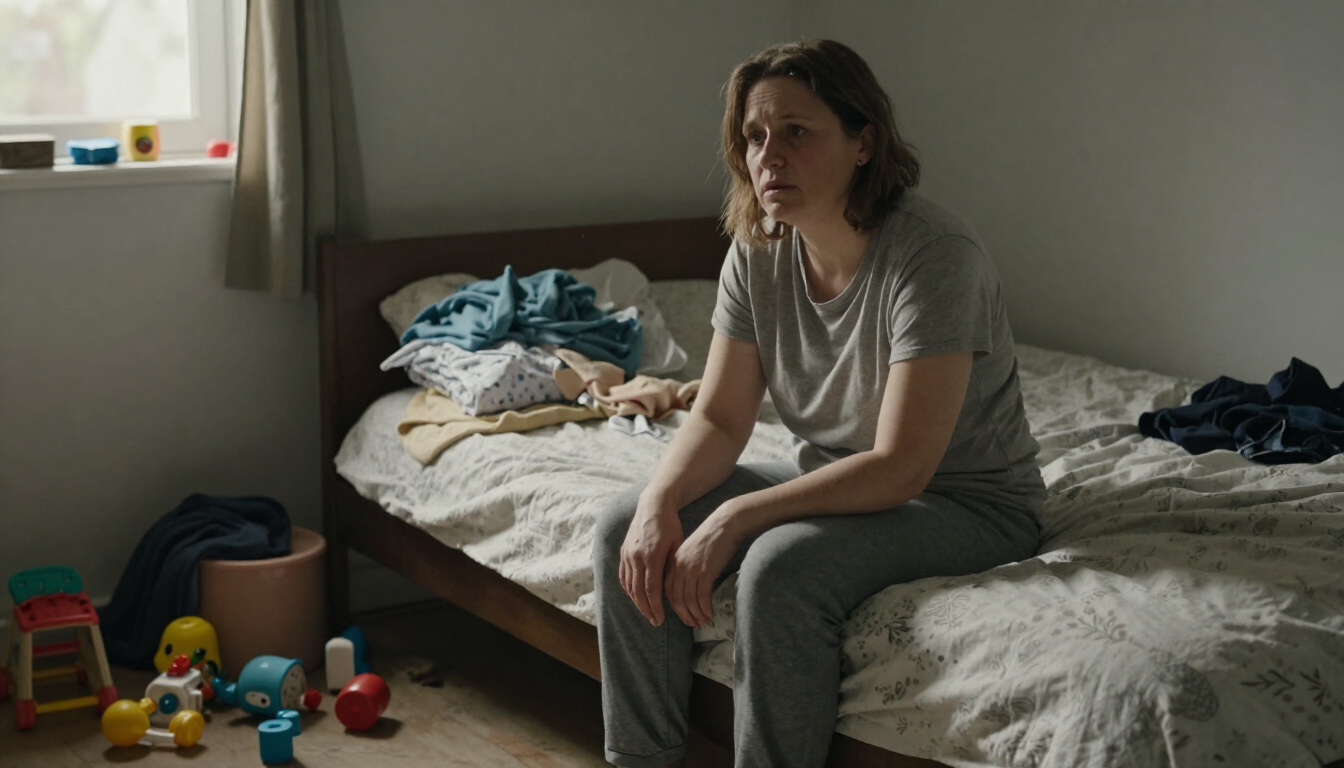
Is this motherhood burnout or depression?
Sometimes the problem is primarily exhaustion. Other times, ongoing emotional distress may point to depression, anxiety, or another mental health concern. A therapist can help you understand what is happening without judging you or reducing your experience to a label.
Motherhood burnout may look like feeling emotionally drained, irritable, numb, or resentful after prolonged stress. You may still feel better after rest, connection, or time away, even if those opportunities are rare.
Depression can involve symptoms that persist across situations, such as:
- Feeling hopeless, empty, persistently sad, or unusually angry
- Losing interest in activities that once mattered to you
- Sleeping too much or too little, or experiencing major appetite changes
- Feeling worthless, guilty, trapped, or unable to cope
- Having difficulty concentrating or completing everyday tasks
Postpartum depression and anxiety can occur during pregnancy or anytime after birth—not only during the first few weeks. If you are having thoughts of harming yourself or your child, seek immediate support by calling or texting 988 in the United States, contacting emergency services, or going to the nearest emergency department.
Five ways to cope when you don’t enjoy being a mom
1. Tell the truth to someone safe
Choose one person who can listen without immediately correcting, minimizing, or offering criticism. You might say, “I love my kids, but I am struggling to enjoy motherhood and I feel overwhelmed.” Naming the experience can reduce shame and make practical support easier to request.
You do not have to explain everything perfectly. A trusted friend, partner, relative, physician, or therapist can be a starting point.
2. Make support specific
“ I need help” can be difficult for others to respond to. Try asking for one concrete thing instead:
- “Can you keep the kids for two hours Saturday?”
- “Could you bring dinner tonight?”
- “Can you handle bedtime while I take a shower?”
- “Please check in with me tomorrow morning.”
If you are a single mom or have limited family support, consider trading childcare with another trusted parent, asking a faith or community group for resources, or exploring professional childcare options when possible. Support is not a luxury; it helps protect your capacity to parent.
3. Lower the daily standard
A healthy home does not need to look perfect. During a demanding season, “good enough” may mean simple meals, fewer activities, clean-enough laundry, and more screen time than you originally planned.
Ask yourself: “What truly needs to happen today?” Separate essentials from expectations that come from social media, family pressure, or an idealized version of motherhood. Your children need a present-enough caregiver, not a constantly cheerful, endlessly available one.
4. Create small moments of separation
You may not be able to take a vacation or spend an entire day alone. Small breaks still count. Five minutes in the car, a quiet cup of coffee, a walk around the block, or a shower with the door closed can give your nervous system a brief reset.
If your children are safe, it is okay to step away briefly when you feel overstimulated. Put them in a secure space, take several slow breaths, and return when you feel more regulated. If you are frequently reaching a breaking point, therapy can help you build a more sustainable plan.
5. Consider professional support
Therapy can offer a private place to discuss resentment, guilt, anger, grief, identity changes, relationship stress, and the pressure to enjoy every part of parenting. You do not need to wait until you are in crisis or completely unable to function.
Guided Hearts Therapy offers individual therapy and couples counseling for concerns such as anxiety, depression, life transitions, relationship difficulties, and postpartum experiences. You can also learn more about therapy throughout North Carolina or individual therapy in Virginia .
How can therapy help with motherhood stress?
Therapy is not about teaching you to become a perfect mother. It is a collaborative space to understand your emotions, identify what is contributing to your distress, and develop tools that fit your actual life.
Depending on your needs, therapy may help you:
- Recognize patterns of anxiety, depression, guilt, or emotional shutdown
- Process difficult birth experiences, postpartum changes, grief, or trauma
- Set boundaries with family members, partners, work, or social obligations
- Improve communication and ask for support more clearly
- Build coping strategies for overstimulation and intense emotions
- Reconnect with your values and identity outside of parenting
If conflict with a partner is adding to your stress, couples counseling may help you discuss responsibilities, emotional needs, discipline, intimacy, and the feeling that one person is carrying too much. If you are navigating a major transition, individual therapy can help you adjust without pretending everything is fine.

What should I say when I contact a therapist?
During an initial conversation, consider asking:
- Do you work with postpartum concerns, parenting stress, anxiety, or depression?
- Do you offer online sessions?
- What can I expect from the first appointment?
- How do you approach shame, anger, or ambivalence about motherhood?
- Do you serve clients in my state or area?
You can visit the contact page to take the next step or read more about Tre'Sha and the practice’s approach.
You are allowed to need care, too
Motherhood does not erase your needs. Your children can be loved, safe, and cared for while you admit that parenting feels hard. If you don’t enjoy being a mom right now, treat that feeling as information, not proof of failure. Start by telling one trusted person, reducing one unrealistic expectation, and finding consistent support. Therapy may be especially helpful when exhaustion, anxiety, depression, isolation, or resentment continues. You do not have to solve everything today; you only need to take one honest, supportive next step.